Our History
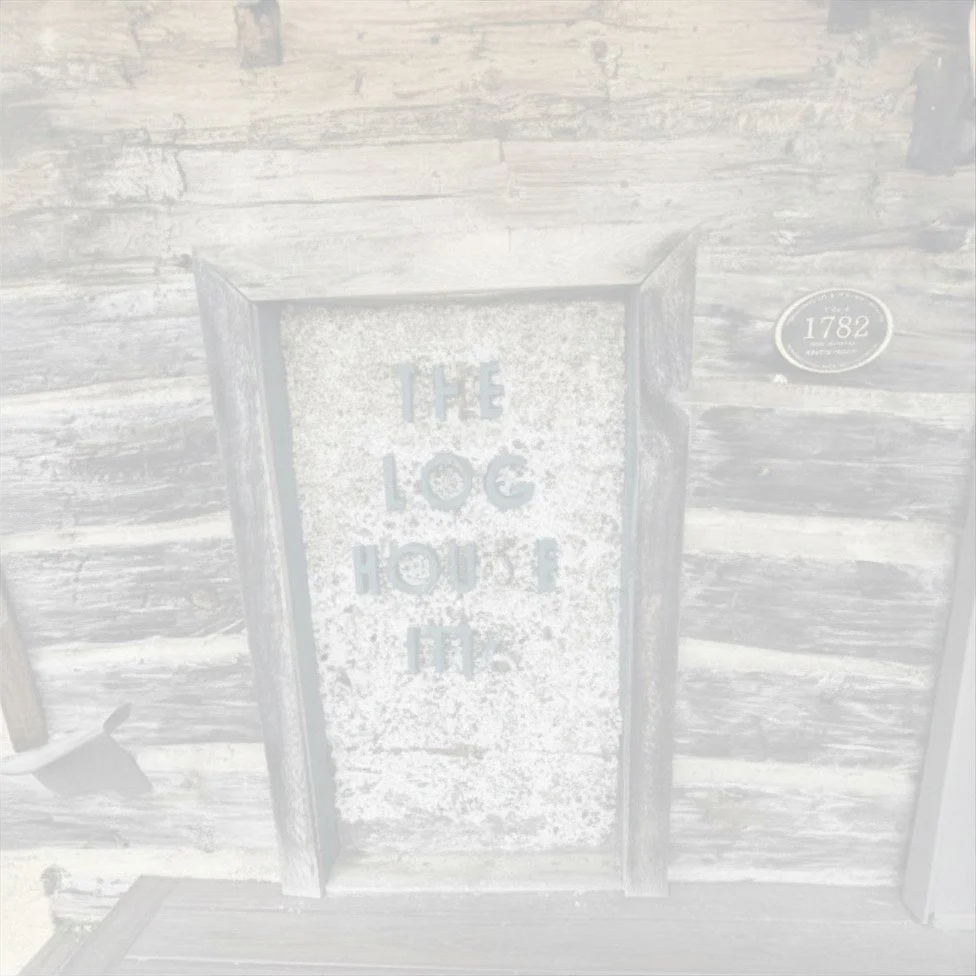
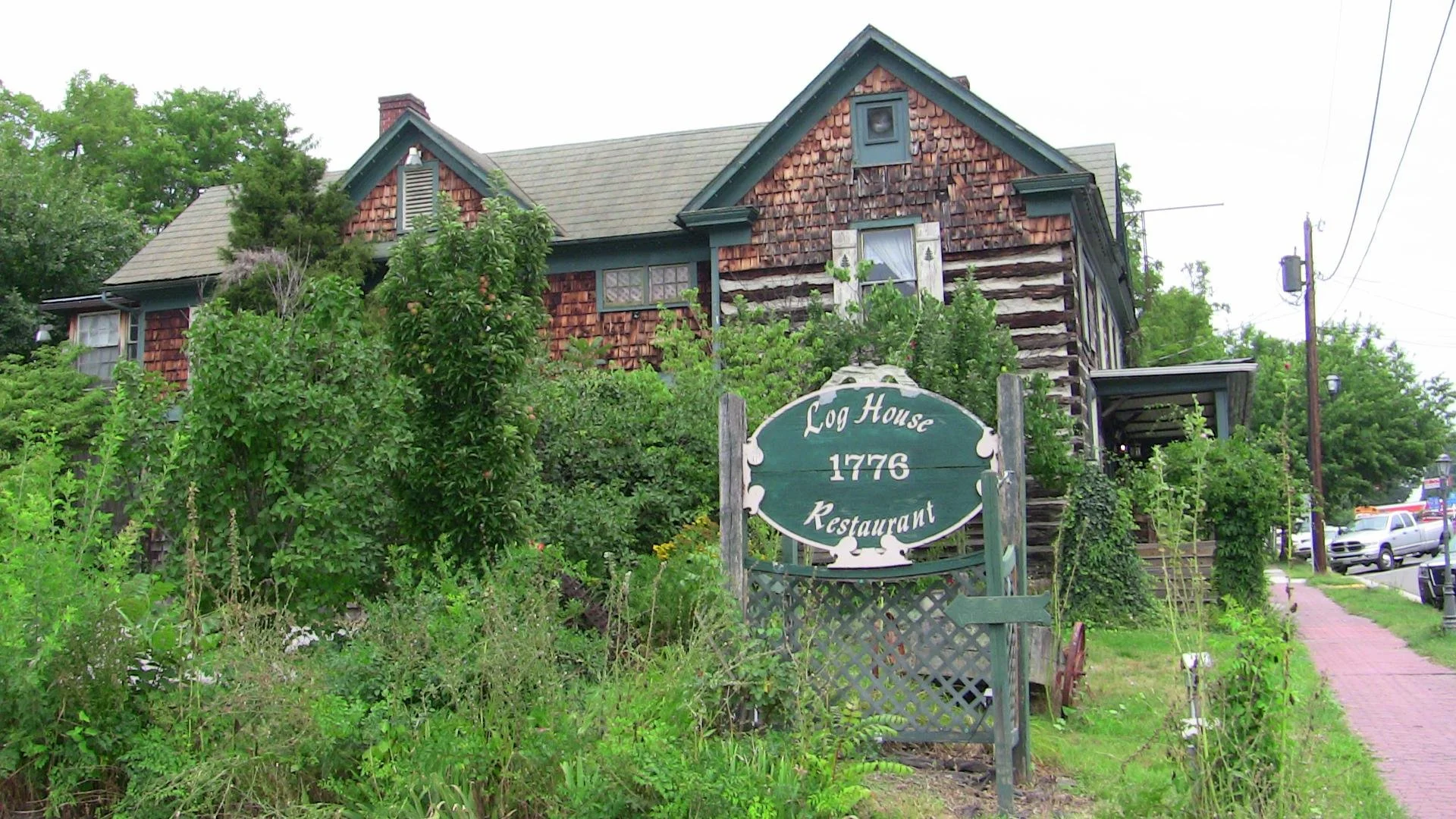
Built in 1776 and still standing strong, the Log House is one of Southwest Virginia's most distinctive landmarks. The original hand-hewn logs, stacked two stories high and weathered by more than two centuries of history, give the building a character that simply cannot be replicated. At our restaurant every room tells a story.
In 1776, a young man known only as Will was granted the right to build a modest two-room tenant house on this site, working in service of a local landowner. He never finished it. Before the walls were complete, he set down his tools and picked up a musket — walking away from his half-built home to fight for American independence in the Revolutionary War. We don't know his last name. We don't know if he ever came back. What we know is that the house he started is the one you're sitting in right now, and that it has been standing witness to American history ever since.
Will's original two-room structure was annexed in 1804, when Main Street was laid and Wytheville was formally established as a town. A final addition followed in 1898. Three building campaigns across three centuries — and every log, every beam, every wide-plank floor carries the weight of that accumulation. When you dine here, you are quite literally surrounded by the story of this country. Not behind glass in a museum, but at a table, with a warm meal in front of you and two and a half centuries of American life in the walls around you.
Where our parking lot now stands, a man named Robertson once operated a furniture business that would eventually pass to the Rich brothers and quietly shape the craft traditions of an entire region. Apprentices lived in this very log house while learning their trade, and after mastering their craft within these walls, they went on to found furniture factories across Virginia and Tennessee. The Rich brothers' workshop also produced what became one of the most celebrated artifacts of Appalachian heritage — the Wythe County pie safe, distinguished by its signature "urn and tulip" tin panels, often further embellished with grape clusters, stars, candlesticks, and hearts. You'll find them celebrated throughout our gift shop.
During the Civil War, this house was owned by Joseph Chadwell. He and Benjamin Steptoe — a freed Black man who lived in a small log cabin nearby — made the unlikely decision to go to war together. Joseph Chadwell did not come home. His widow, Abby, and Benjamin's wife — known throughout the community simply as Nanny Steptoe — drove a wagon together to bring Joseph's body back to Wytheville, so that he could be buried among his people. The descendants of Benjamin Steptoe live in Wytheville to this day.
The garden behind the restaurant exists in their memory. We are told that Nanny brought the children here every morning at seven o'clock for thirty minutes of silence — to look at the flowers and listen to the birds. She and Abby wanted those children to love the natural world, and to find in it something worth protecting. That quiet tradition lives on in the gardens surrounding our gazebo, where guests still come to slow down, to notice the rabbits and the birdsong and to remember that some of the most important things have always been free. Stroll the grounds and you'll find something increasingly rare — a place designed not to impress, but to restore. Friendly rabbits wander the paths. Birds settle into the old growth.
Everything you've just read happened here. Not nearby. Not in the general area. Here — on this ground, in this building, behind these walls. The Log House 1776 is not designed to feel historic. It just is. We simply kept the lights on.
Fire and Restoration
For nearly 250 years, the Log House has stood as a witness to American history. Built in 1776, the same year our nation declared its independence, this remarkable structure has welcomed travelers, families, and friends through generations of change. Its hand-hewn logs have endured wars, economic hardships, and the passage of time, becoming one of Wytheville's most cherished landmarks.
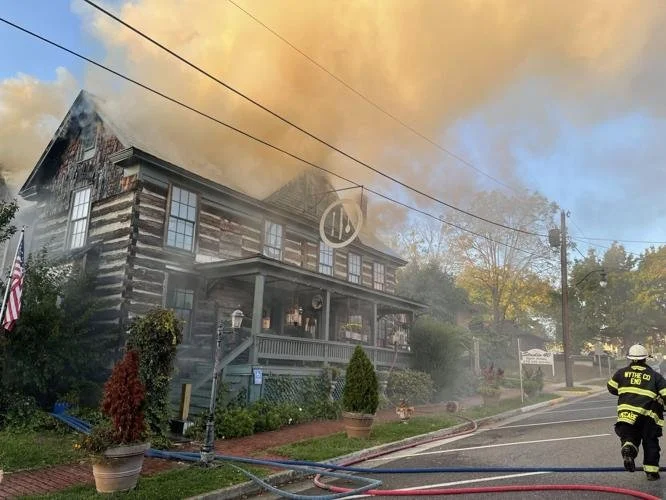
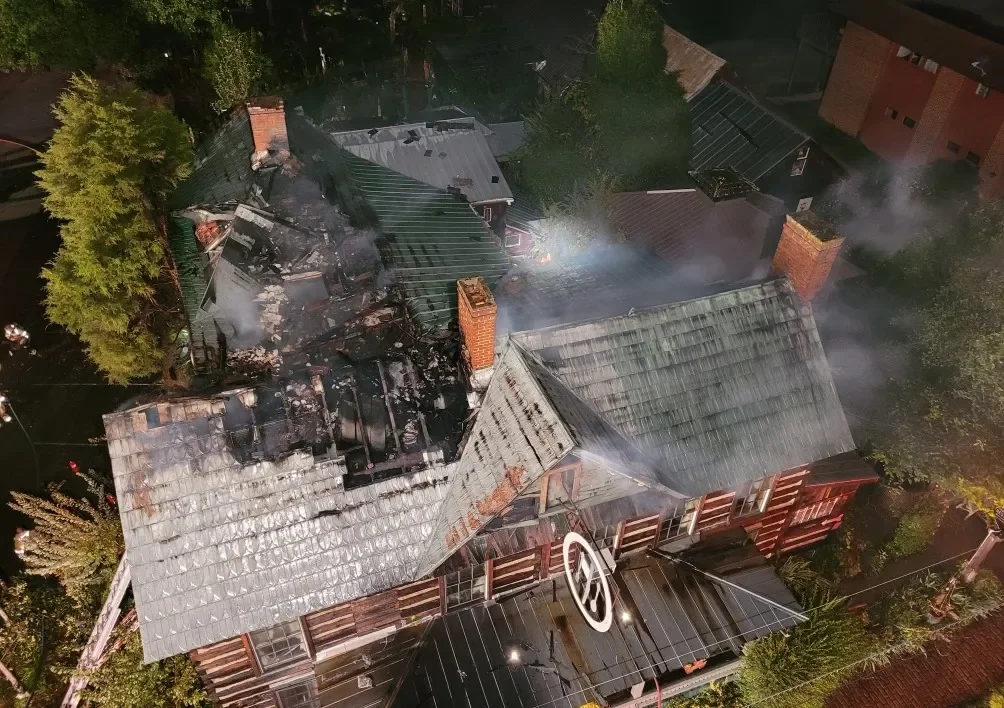
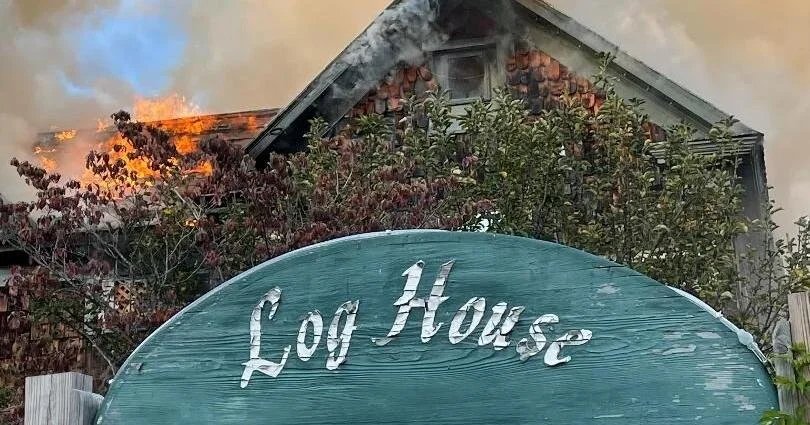
On October 12, 2021, that legacy faced one of its greatest challenges.
A fire broke out within the historic building, causing significant damage and threatening a structure that had survived for centuries. As firefighters worked tirelessly to contain the blaze, the future of the Log House remained uncertain. The roof and upper portions of the building suffered extensive damage, and many feared that an irreplaceable piece of history might be lost forever.
Yet even in the aftermath of the fire, there was reason for hope.
Much of the original log structure—the heart and soul of the building—survived. Restoration experts, preservation specialists, contractors, and craftsmen joined forces with a shared goal: to preserve the character, integrity, and history of the Log House while carefully rebuilding what had been damaged.
The restoration process required patience, dedication, and extraordinary attention to detail. Every effort was made to honor the building's historic roots. Damaged areas were carefully repaired, structural elements were reinforced, and the distinctive charm that generations of guests had come to love was preserved. Modern improvements were thoughtfully incorporated where necessary, ensuring the Log House would remain strong and welcoming for years to come.
Throughout the restoration, the support of our community was a constant source of strength. Loyal customers, neighbors, local businesses, and friends from across Virginia and beyond reached out with encouragement, kind words, and unwavering support. Their belief in the Log House reminded us that this building is more than a restaurant—it is a gathering place, a local landmark, and a living connection to our shared history.
After months of hard work, the Log House welcomed guests once again. The reopening marked more than the completion of a restoration project; it celebrated the resilience of a historic treasure and the community that helped preserve it.
Today, when you walk through our doors, you are experiencing a story that spans nearly two and a half centuries. The walls around you have witnessed countless celebrations, conversations, and memories. They have survived the test of time, and they stand today as a testament to perseverance, craftsmanship, and the enduring spirit of Wytheville.
We are honored to continue this tradition and grateful to everyone who helped make our restoration possible.
Thank you for being part of the next chapter in the story of the Log House 1776 Restaurant.